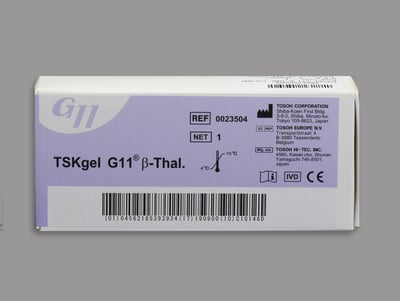
High-Performance Liquid Chromatography (HPLC)
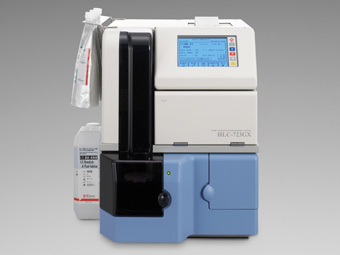
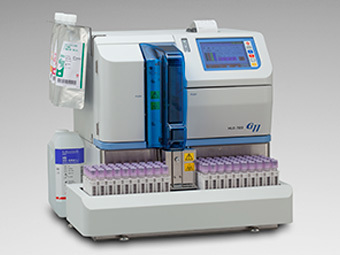
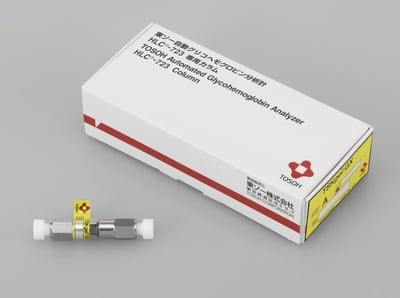
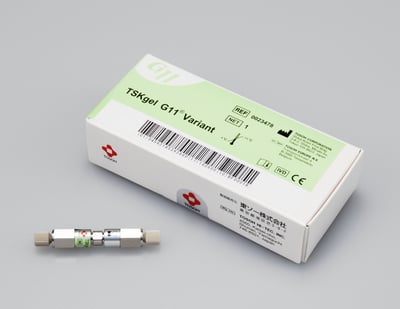
High-Performance Liquid Chromatography (HPLC) is a well-established analytical technique widely used in clinical laboratories for the separation, identification and quantification of biomolecules with enhanced precision and reproducibility. By utilizing high pressure to pass liquid samples through specialized columns, HPLC achieves effective separation of complex mixtures, making it suitable for detecting subtle molecular variations. In clinical diagnostics, this technology is widely used for measurement of key parameters such as glycated hemoglobin (HbA1C), which is essential for long-term glucose monitoring in diabetes. HPLC is also a known method for identifying hemoglobin variants and diagnosing conditions like β-thalassemia.