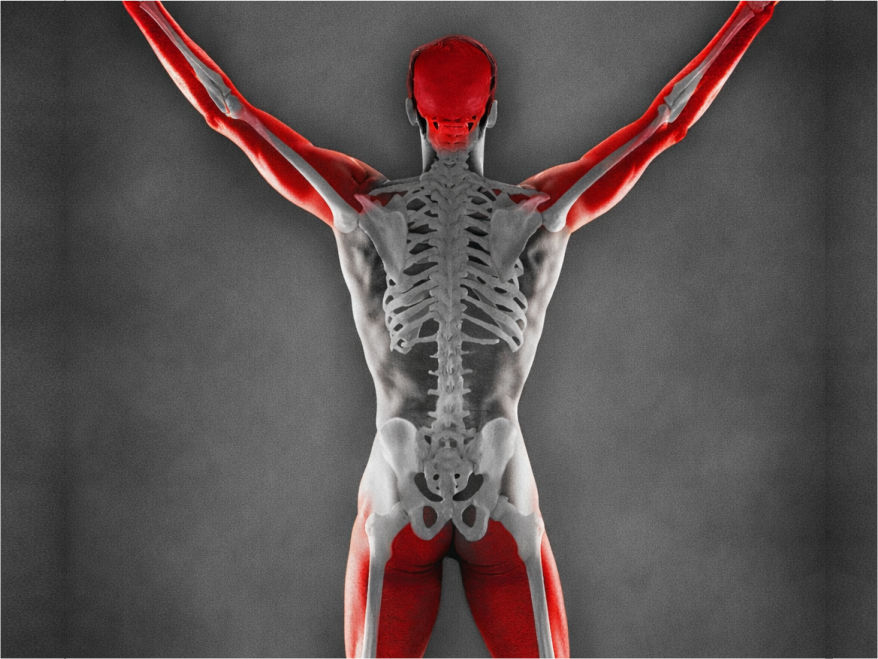
BONE DISORDERS
Bone disorders encompass conditions characterized by impaired bone mass, altered bone turnover, defective mineralization or disrupted skeletal microarchitecture. They include osteoporosis, osteopenia, osteomalacia, rickets, metabolic bone diseases and skeletal complications arising from endocrine and renal disorders. These conditions result from imbalances between osteoclastic resorption and osteoblastic formation, driven by nutritional, hormonal, genetic and metabolic factors. Deficiencies in critical nutrients can lead to softening of bones, resulting in rickets in children and osteomalacia in adults, both of which manifest clinically with bone pain, skeletal deformities, delayed growth and increased risk of fractures.
India faces a substantial and growing burden of bone health disorders, with recent evidence indicating a high prevalence of osteoporosis in adults, particularly among postmenopausal women. This burden is further amplified by the widespread prevalence of vitamin D deficiency caused by limited dietary intake, sedentary indoor lifestyles and inadequate sunlight exposure. As a result, the incidence of fragility fractures especially hip and vertebral fractures is increasing and often occurring at comparatively younger ages. Collectively, these factors position India among countries with one of the highest projected rises in osteoporotic fractures, underscoring the need for proactive screening, biochemical evaluation and timely intervention.
In adults, disturbances in proteins like osteocalcin that regulate bone turnover contribute to osteoporosis, characterized by reduced bone mass and microarchitectural deterioration, making bones fragile even under minimal stress. Clinically, these disorders may present chronic musculoskeletal pain, posture changes, difficulty in mobility or spontaneous fractures, often prompting evaluation of nutritional and metabolic status.
Early recognition and intervention are crucial, involving correction of deficiencies, optimization of dietary intake, suitable exercise and pharmacological therapies to improve bone density and reduce fracture risk. Monitoring bone health through clinical assessment and targeted laboratory evaluation is essential for preventing long-term complications and maintaining skeletal function.
The following are key laboratory markers used to evaluate and diagnose bone disorders: