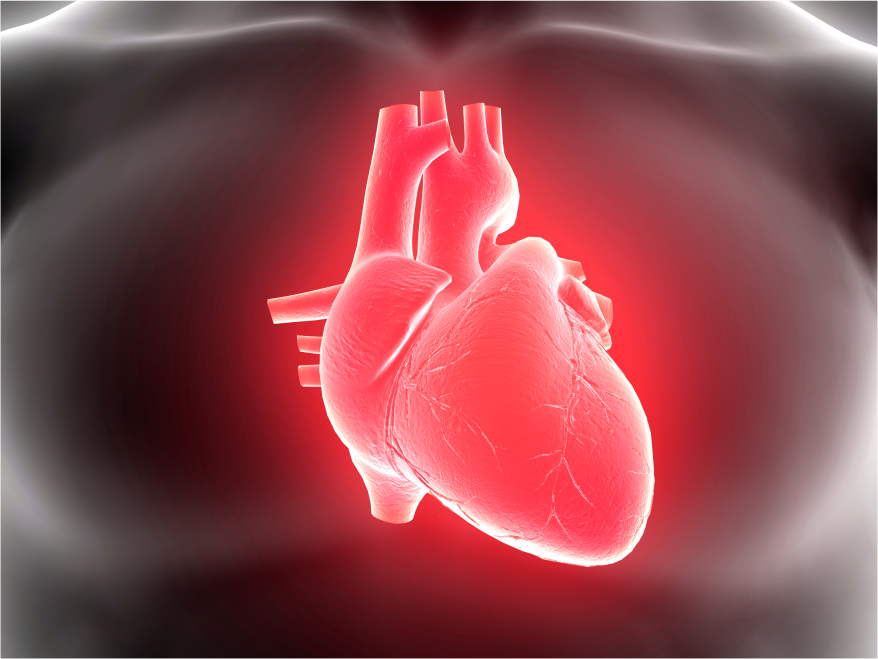
CARDIAC DISORDERS
Cardiovascular disease (CVD) refers to a broad class of pathologies affecting the heart and vascular system. It remains the leading cause of morbidity and mortality worldwide, accounting for an estimated one-third of global deaths in both developed and developing regions. These are related to circulation, like ischemic heart disease (heart attack) and cerebro-vascular disease (stroke).
Some of the cardiovascular diseases are as follows:
1. Acute Myocardial Infarction
Acute Myocardial Infarction (AMI) is one of the leading cause of death in the developed world. Acute myocardial infarction occurs due to decreased coronary blood flow, leading to insufficient oxygen supply to the heart and cardiac ischemia. Decreased coronary blood flow is multifactorial. Atherosclerotic plaques classically rupture and lead to thrombosis, contributing to acutely decreased blood flow in the coronary. Prompt reperfusion and restoration of blood flow to the heart are crucial.
2. Heart failure
Heart failure is a condition in which the heart cannot pump enough blood to meet the body’s requirements. This can result from weakened heart muscle after a heart attack (systolic heart failure) or from stiff, non-relaxing ventricles (diastolic heart failure). The body responds with fluid retention, increased heart rate and activation of hormonal systems, which over time worsen the condition.
3. Stroke
A stroke occurs when blood flow to part of the brain is interrupted, leading to brain cell damage. Symptoms appear suddenly and include weakness, speech difficulty, vision changes or loss of coordination. There are two main types of stroke:
• Ischemic stroke is caused by a blood clot blocking a vessel in the brain, often related to atherosclerosis or emboli from the heart (e.g. in atrial fibrillation).
• Hemorrhagic stroke is caused by bleeding in the brain, usually from hypertension or rupture of a cerebral aneurysm.
4. Atherosclerosis
Most cardiovascular diseases share a common root: atherosclerosis, a chronic process where cholesterol-rich plaques build in arterial walls. Over time, plaques narrow the vessels and can rupture, causing clots that lead to heart attacks and strokes. Risk factors include high blood pressure, high cholesterol, diabetes, smoking, obesity and sedentary lifestyle.
Serum markers for the detection of heart damage play an important role in the routine diagnosis of CVD. Early recognition of heart disease could save thousands of lives each year by early and accurate measurement of cardiac markers.
The following are the key laboratory markers used to evaluate and diagnose cardiac disorders: