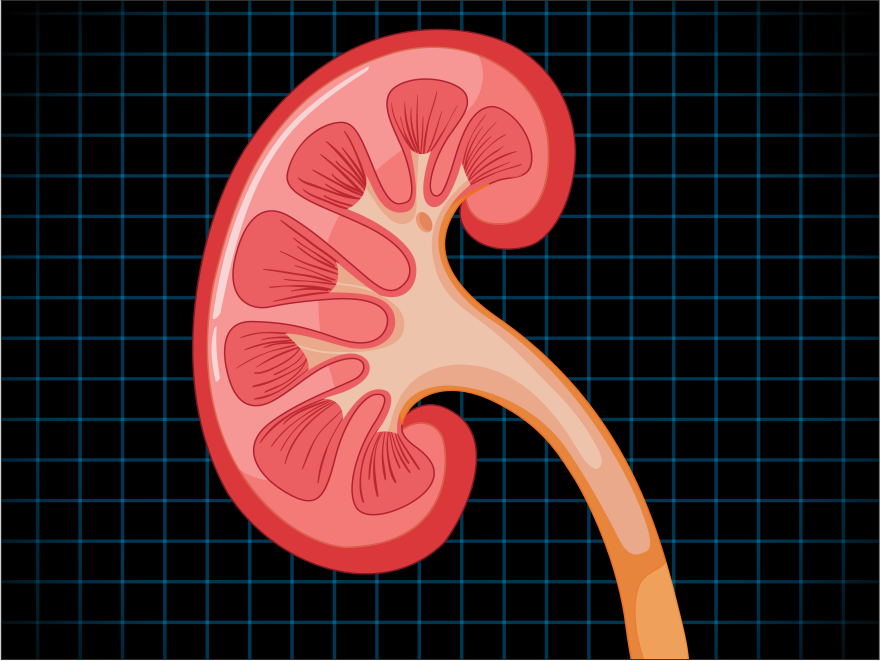
RENAL DISORDERS
Renal disorders encompass a heterogeneous group of acute and chronic conditions characterized by progressive impairment of glomerular filtration, tubular reabsorption and secretion, endocrine activity and electrolyte homeostasis. These disorders range from acute kidney injury (AKI), marked by rapid loss of renal function to chronic kidney disease (CKD), which is characterized by the gradual loss of renal function over a period of months to years. Renal dysfunction disrupts multiple physiological pathways, including glomerular filtration efficiency, tubular handling of low-molecular-weight proteins and regulation of mineral and bone metabolism.
Early identification and accurate characterization of renal disorders are therefore critical for slowing disease progression, minimizing systemic complications and optimizing patient outcomes. This requires sensitive biomarkers and integrated diagnostic approaches.
There are various biomarkers which reflect distinct pathophysiological mechanisms of kidney providing valuable diagnostic and prognostic information. Among these, Cystatin C, intact Parathyroid Hormone (PTH) and β2 Microglobulin (BMG) have emerged as clinically relevant indicators for assessing renal function and its systemic consequences. Collectively, these biomarkers facilitate early diagnosis, disease stratification, prognostication and therapeutic monitoring across the full spectrum of renal disorders.
The following are key laboratory markers used to diagnose renal disorders:
• Cystatin C
• iPTH
• BMG